The ACA lowered the cliff, but it left families, workers, and small businesses trapped inside an insurance system where having a card still does not guarantee timely care, affordable medicine, or medical privacy.
Endorsements are useful to voters only when the underlying record can be inspected. Watchtower's consolidated endorsement-accountability frame uses two fully sourced examples: the AFL-CIO/CLARITY labor record and the Sierra Club/League of Conservation Voters PFAS clean-water record. The point is not to punish endorsers. The point is to make campaign endorsement claims auditable without overclaiming motive.
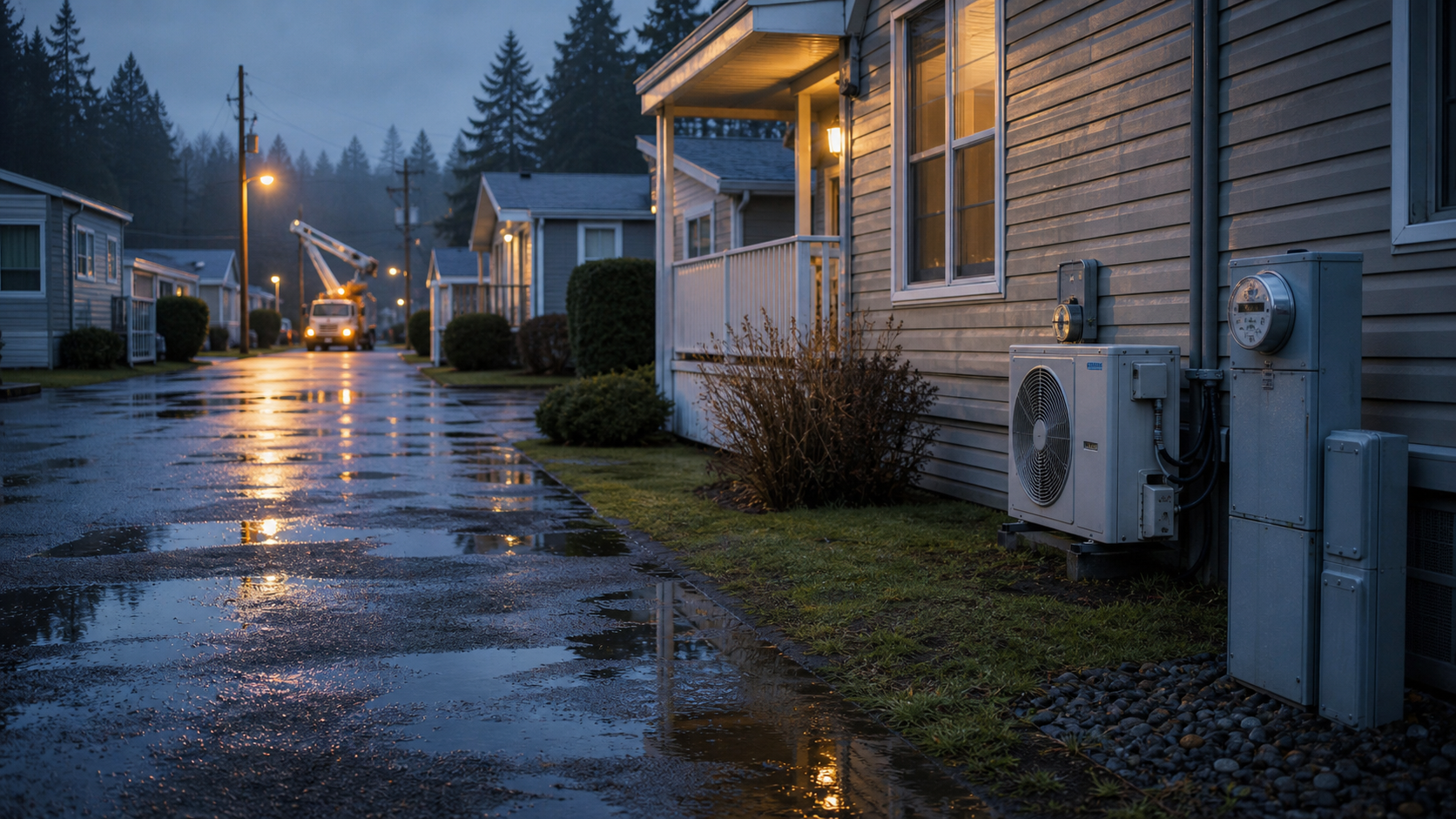
Your power bill went up approximately 30 percent over the last three years. Public records show a major Washington utility is owned through an international pension-fund consortium collecting regulated returns from ratepayers. Watchtower limits causation claims to what the public records support; the documented question is how ownership, rate-base growth, arrears, and federal guardrails should be reviewed together.
Representative Strickland voted yes on four crypto-industry bills where most House Democrats voted no. The Financial Innovation and Technology for the 21st Century Act, known as FIT21, in May 2024, passed with 35 percent Democratic support. The Congressional Review Act repeal of the Internal Revenue Service rule on decentralized-finance reporting in March 2025, called the IRS DeFi CRA, passed with 37 percent. The Digital Asset Market Clarity Act, known as the CLARITY Act, in July 2025 passed with 37 percent. The Guiding and Establishing National Innovation for U.S. Stablecoins Act, known as the GENIUS Act, passed the same day. In the cycle leading up to those votes she received documented contributions from Robinhood co-founder Baiju Bhatt, the founders of venture capital firm Andreessen Horowitz (also known as a16z), Uniswap chief executive officer Hayden Adams, and Coinbase chief executive officer Brian Armstrong. Stand With Crypto, the crypto industry's own advocacy organization, grades her 'strongly supports crypto.' The Washington State Attorney General has documented 266 Robinhood complaints from Washington consumers and 665,000 dollars in consumer relief.
On April 17, 2024, the political action committee of AIPAC, the American Israel Public Affairs Committee, made its first three contributions ever to Representative Strickland's campaign, totaling 3,750 dollars. That same April 17, Strickland voted yes on three Israel- and Iran-related House floor votes: the Standing Against Houthi Aggression Act, the Iran Sanctions Relief Review Act, and the Iran Counterterrorism Act. The AIPAC political action committee then bundled 44,300 dollars to the campaign across 33 separate deposits over the next several months. Including individual contributions earmarked through AIPAC as a conduit, the total reached 147,350 dollars across 105 line items in the 2024 election cycle. Strickland's campaign also paid the AIPAC political action committee 850 dollars in five separate site-rental fees between April 2024 and October 2025. Every dollar is publicly disclosed. So is every vote. The same-day proximity is the news.
This is the defense-money story, not the general defense-oversight ledger. Nine defense contractors that lobby Congress for billions of dollars in federal contracts gave Representative Strickland 73,250 dollars in campaign donations in one election cycle. She sits on the House Armed Services Committee, the U.S. House committee that writes the annual defense bill that decides how much money those contractors take home. On December 10, 2025, she voted yes on the FY2026 defense bill (the National Defense Authorization Act, known as the NDAA). On that same day, a member of her household sold up to 50,000 dollars of stock in CACI International, a federal information-technology defense contractor under that committee's jurisdiction. Every transaction here is publicly disclosed. The same-day proximity is the story.
The filings show a long-running campaign structure: the same treasurer, the same recurring vendor, and nearly 900,000 dollars in disclosed Blue Wave payments across four cycles.
From January 2025 to April 2026, Representative Strickland reintroduced the Basic Allowance for Housing Restoration Act (the BAH Restoration Act, the bill that would have raised the federal housing stipend for military families), questioned the Secretary of the Army about military housing investments, hosted a regional housing supply roundtable, and warned that housing costs were outpacing the federal military housing allowance. Then on January 9, 2026, she voted yes on House passage of the Affordable HOMES Act, a bill that would repeal the Department of Energy rule requiring better insulation, air sealing, and heating and cooling efficiency in newly built manufactured homes. Only 28 percent of House Democrats voted yes. Of the eight Washington Democrats in the U.S. House, only Strickland and Marie Gluesenkamp Perez voted yes. Three and a half months later, Strickland announced 850,000 dollars in federal grants for affordable housing in Tacoma.
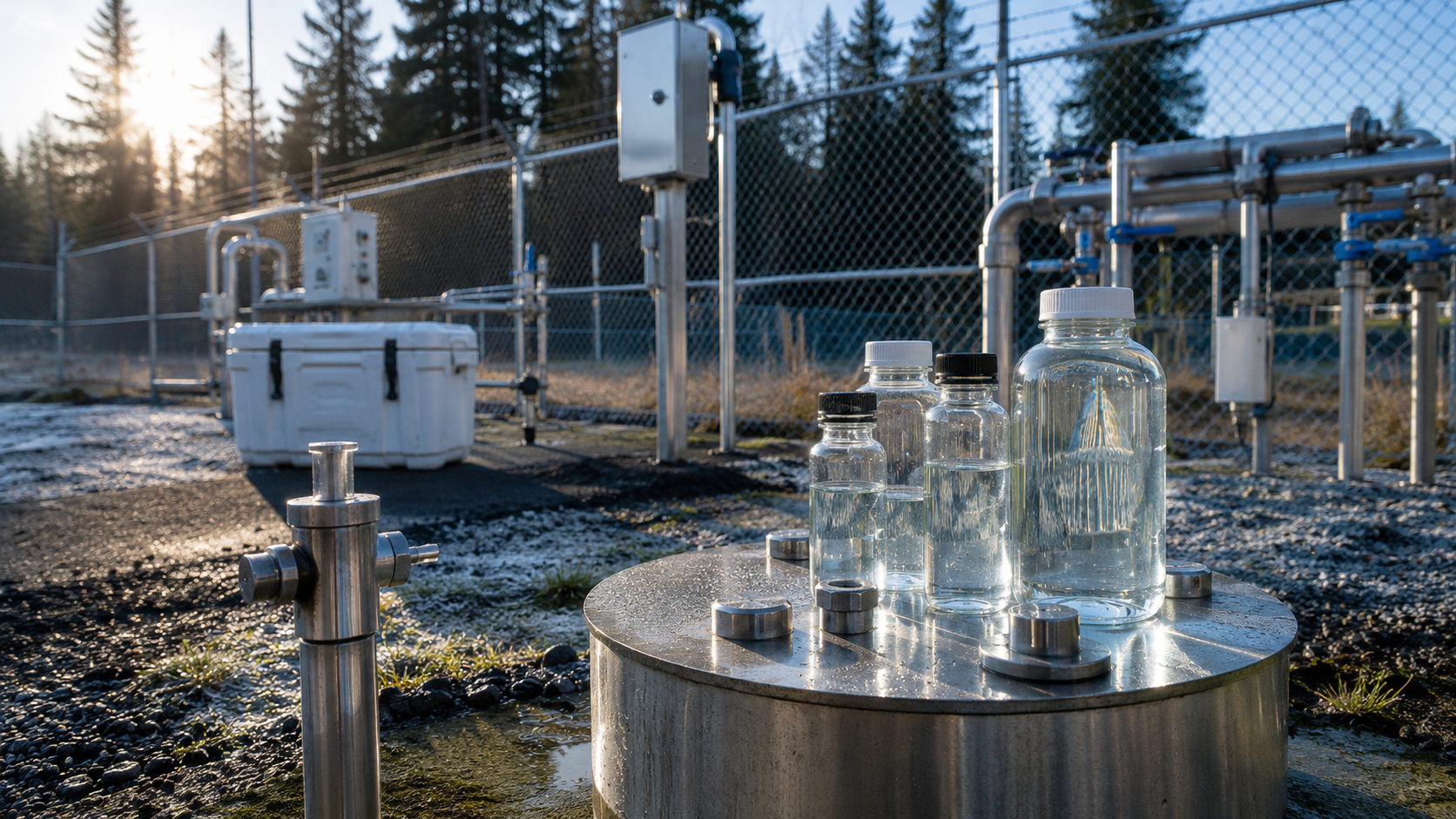
Pierce County's kidney cancer rate is 19 percent above the Washington state average. PFAS, the forever chemicals tied to firefighting foam, remain a documented cleanup issue around Joint Base Lewis-McChord. Representative Strickland toured cleanup sites in 2024 and 2025, then voted yes on the FY2026 defense bill. Her public statement on that vote highlighted JBLM projects and did not mention PFAS. The publishable question is how WA-10 will track cleanup accountability, source control, and federal responsibility for the documented plume.
The 2024 Point-in-Time count, the federally required annual census of unsheltered people, found 59.4 percent more Pierce County residents sleeping outside than the same count one year earlier. Joint Base Lewis-McChord, known locally as JBLM, is a major federal footprint in a county with a severely constrained rental market and a documented affordable-unit shortage. The numbers create a federal accountability question the official response has not caught up to.
NFPA 1710 sets 4 minutes as the benchmark for first engine arrival. A 2023 city-commissioned study found no station district in Tacoma met that goal, and 90th percentile call-to-arrival times in multiple station districts exceeded 10 minutes. The department knows. The city knows. The gap has been documented for years.
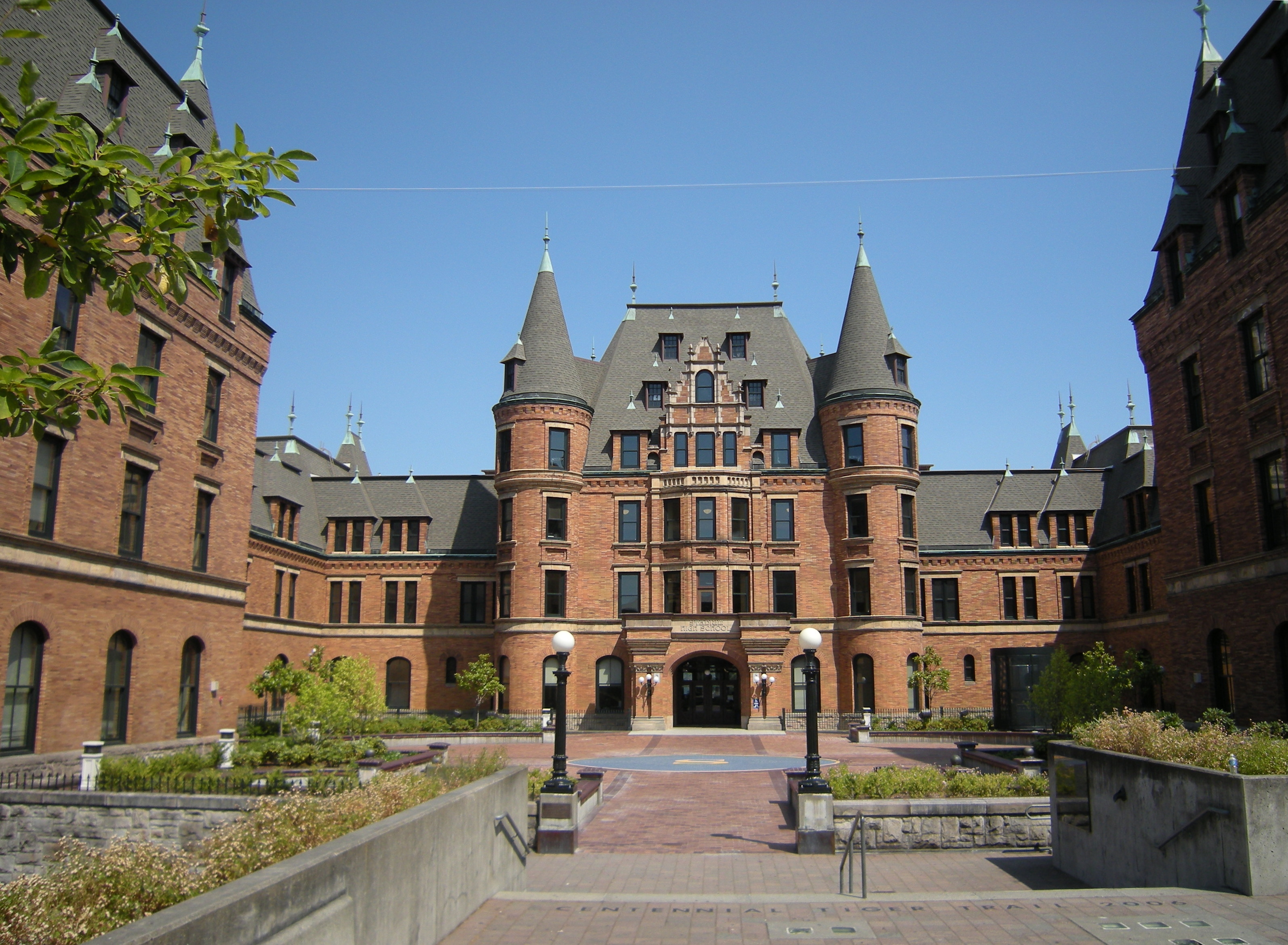
Tacoma Public Schools budget pressure is a real public issue, but this story is a funding-accountability explainer. The safe framing is education funding pressure and public-budget accountability, not sensitive family, donor, or intent claims.
The Emerald Queen Casino, Resort, and Hotel is a multi-hundred-million-dollar destination owned and operated by the Puyallup Tribe of Indians. It employs thousands of WA-10 residents. It sends compact revenue to Washington state every quarter. It anchors a tribal economy that the federal government spent over a century trying to break. The southbound I-5 exit and underpass that brings workers, customers, and elders to the casino's front door is in a condition that does not match what the tribe built. Encampments, broken lighting, and pedestrian conditions that no other major Pierce County economic engine would accept. The federal Tribal Transportation Program exists. The federal-aid highway program exists. The Transportation and Infrastructure Committee, where the WA-10 representative sits, decides how those dollars get directed. The tribe should not have to ask twice.